By Blake Aerni
To much of the United States, Kansas City is known as the heart of America.
There are many reasons it earned that nickname, but the clearest one arises when you look at a map. There is one city right in the center of the 48 mainland states.
Kansas City.
For decades, the Kansas City area has been a bustling town for music, with a historic jazz scene at 18th and Vine. The city is home to some of the best barbecue in the world. But if there’s one thing Kansas Citians like to be known for, it’s the way they support their teams.
When the Kansas City Royals broke a 30-year drought by winning the World Series in 2015, the city was draped in royal blue as hundreds of thousands of fans filled every inch outside Union Station for the team’s victory parade.
The same has been done for numerous championship teams in this city, so when the FIFA World Cup™ said they wanted to head to America’s heartland, the locals weren’t surprised.
“It’s the sports capital of the world,” Mark Zimmerman, a longtime Kansas Citian, said.
But with the FIFA World Cup taking over in Kansas City, something interesting happened.
The city that has seen history made across the American sports landscape was now a part of history in the world’s game.
Messi became the oldest player to score a FIFA World Cup hat trick, climbing to the top of the tournament’s all-time scoring list. Then, just days later, Curacao’s goalkeeper Eloy Room made 15 saves against Ecuador as the smallest nation to ever qualify for the FIFA World Cup earned its first point in the competition’s history.
The world’s attention is fixed on one of the tournament’s smallest host cities. And they’re starting to fall in love.
“Here, everyone is so nice,” Anne Marie MacFarland, a Dutch native, said. “We got here, my card wasn’t working and the guy offered me my food [for free].”
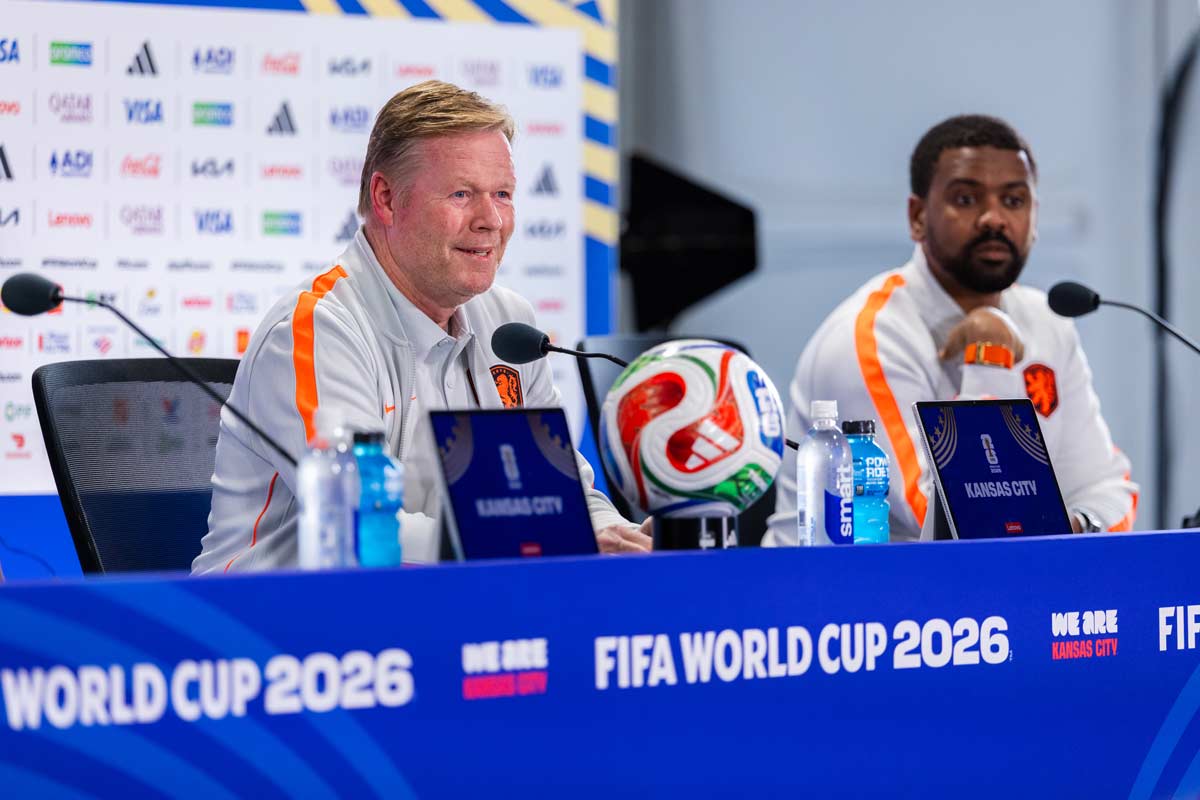
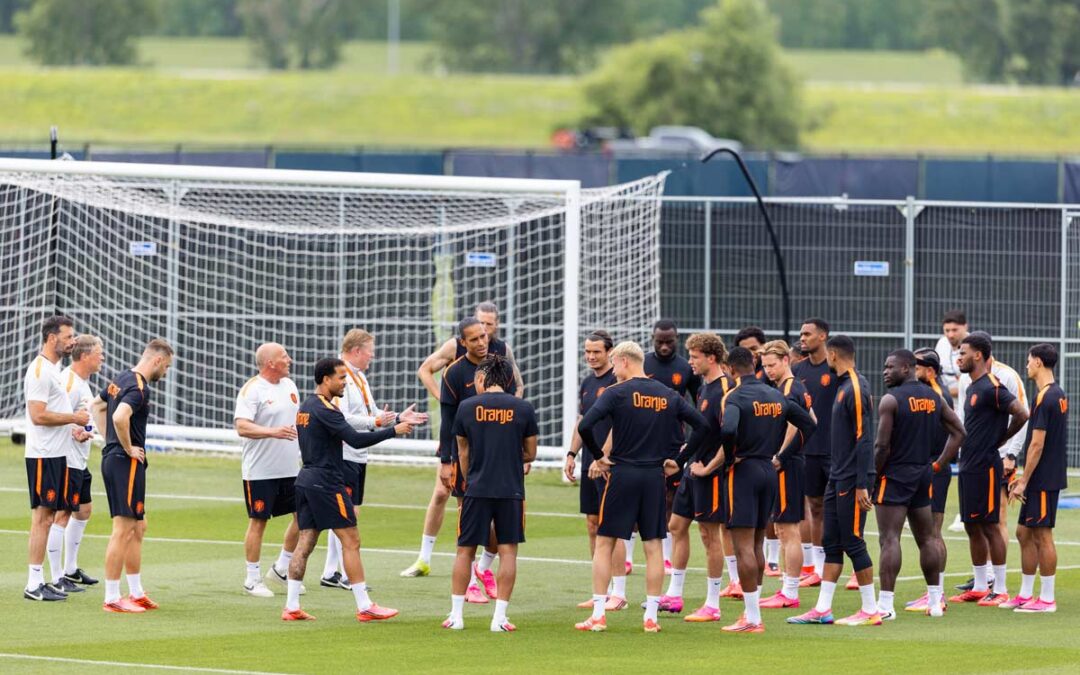
Traveling fans, players and staff have consistently shared their appreciation for the care and attention to detail the people of Kansas City have. Virgil van Dijk, the captain of the Dutch National Team, was quick to point out the quality of the facilities they have been using.
“I just hope that all the pitches are going to be as good,” Van Dijk said.
Van Dijk and the Netherlands have trained at the KC Current’s training facility throughout the FIFA World Cup, but for the final game of the group stage, the fan base joins the team as Kansas City Stadium will play host to the Oranje Army.
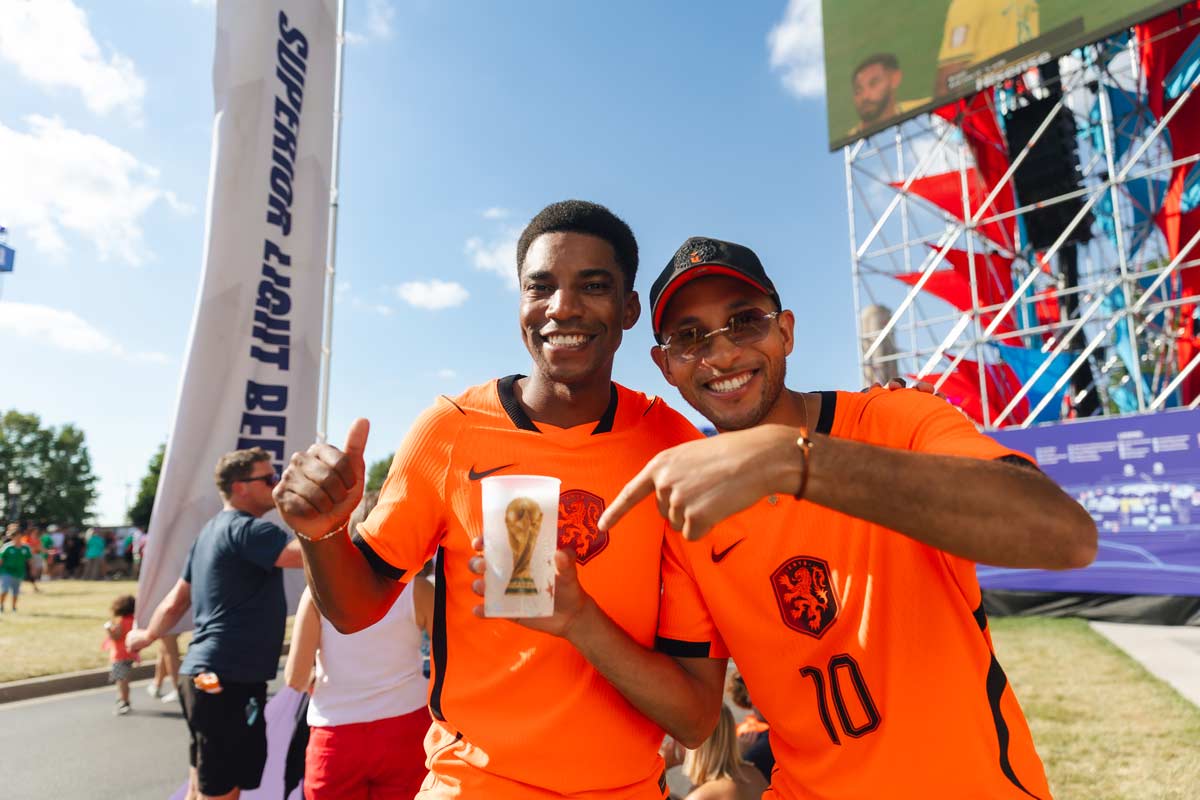
The Dutch fan base is hard to miss when in town as, like Kansas Citians, they show up by the thousands and line the streets during their Oranje March downtown.
“That’s why I adore my people,” MacFarland said. “We are going to be thousands and thousands of orange fans supporting our team.”
Kansas Citians will see a familiar sight, something they’ve seen numerous times before with thousands in unison, filling downtown KC with one solid blanket of color to celebrate their team. The color just may not be what locals are used to. Orange will be the new royal blue.
But after the match is over on Thursday and the Dutch fans begin their departure, one thing will stick with them. Kansas City.
“I have been so pleased with everything,” MacFarland said. “Everyone is so nice.”
Kansas City’s central location makes it the Heart of America, but since the start of the FIFA World Cup, it has shown other reasons why it might have received that nickname.
Fans in Lawrence, Kansas have made national news as they welcomed the Algerian national team with open arms, coining the phrase “Rock Chalk, Algeria.” Argentina and England chose Sporting Kansas City’s training facilities as their FIFA World Cup team base camps, and were met with world-class grounds for their matchday preparation. And now, the Netherlands fan base makes Kansas City its home for a couple days, and the people of the metro have given the Dutch fans nothing but the Midwest’s best.
The Heart of America nickname may have been started as a geographical observation, but the title has been earned as Kansas Citians have stolen hearts across the world.